Keyword research.
Research we do before your website is built. We find the words people actually type into Google when they are looking for what you sell, then build your website around those words so that customers can find you.
Rated 5.0 from 14 Google reviews. Read them.
How keyword research benefits your business.
Customers can find you
We build your website around the words your customers are already typing into Google. Without this, the only people who find you are the ones who already know your name.
Your pages stop competing with each other
We give every page a keyword of its own. When several pages chase the same keyword, Google cannot decide which one to show, so it shows none of them well. Most owners never find out this is happening.
You stop paying for words nobody uses
We check how many people actually search a keyword before we build a page around it. A page aimed at a keyword nobody types costs the same to write as one that works, and brings in nothing.
Most websites target words the owner would use, not the customer.
Businesses describe themselves in industry language. Customers search in plain language, often for the problem rather than the service. The two rarely match, and the gap is invisible until you look.
The second problem is competing against yourself. Five pages all written around the same keyword means Google has to choose between them, so it ranks none of them well. This is extremely common and nobody notices.
Keyword research fixes both. It finds the words people actually type, then gives each page one keyword of its own.
What the research produces.
- The main keyword your home page should be known for
- A keyword of its own for every service page, so no two pages compete
- The real questions customers ask, so your website can answer them
- Local wording, where people in different areas search differently
- An honest note on which keywords you can realistically win, and which are out of reach
- The keywords we deliberately avoid, and why
Who it is for. Businesses that want their website found on search, not just online.

Here is what happens.
Free 30-minute consultation
What you sell and who you are trying to reach.
Find the real keywords
What customers type, including the problem-shaped searches nobody thinks of.
Check how many people search it
How many people look for a keyword each month, against how hard it would be for a business your size to reach the first page for it.
Give every page its own keyword
So the site never competes with itself.
Hand it over
A written list you can use, or take to anyone else.
Why free keyword tools are not the same thing.
Anyone can pull a list of search volumes. The work is deciding which of those keywords a business your size can realistically win, which ones bring buyers rather than browsers, and which page should use each one.
A list of high-volume keywords is close to useless. Being found for a keyword you cannot realistically reach takes the same effort as one you can, and returns nothing.
The research is one stage of the Pre-Foundation Assessment. It is deliberately small, and you can stop after it.
- A long list of popular keywords with no note of how hard they are to win
- The words the business uses, not the words customers type
- Several pages chasing the same keyword
- No plan for which page should use which keyword
- Keywords checked against how many people search them, and against what you can realistically win
- The plain language your customers actually search
- One keyword per page, with nothing competing
- A written plan you own and can hand to anyone
Real clients. Real names.
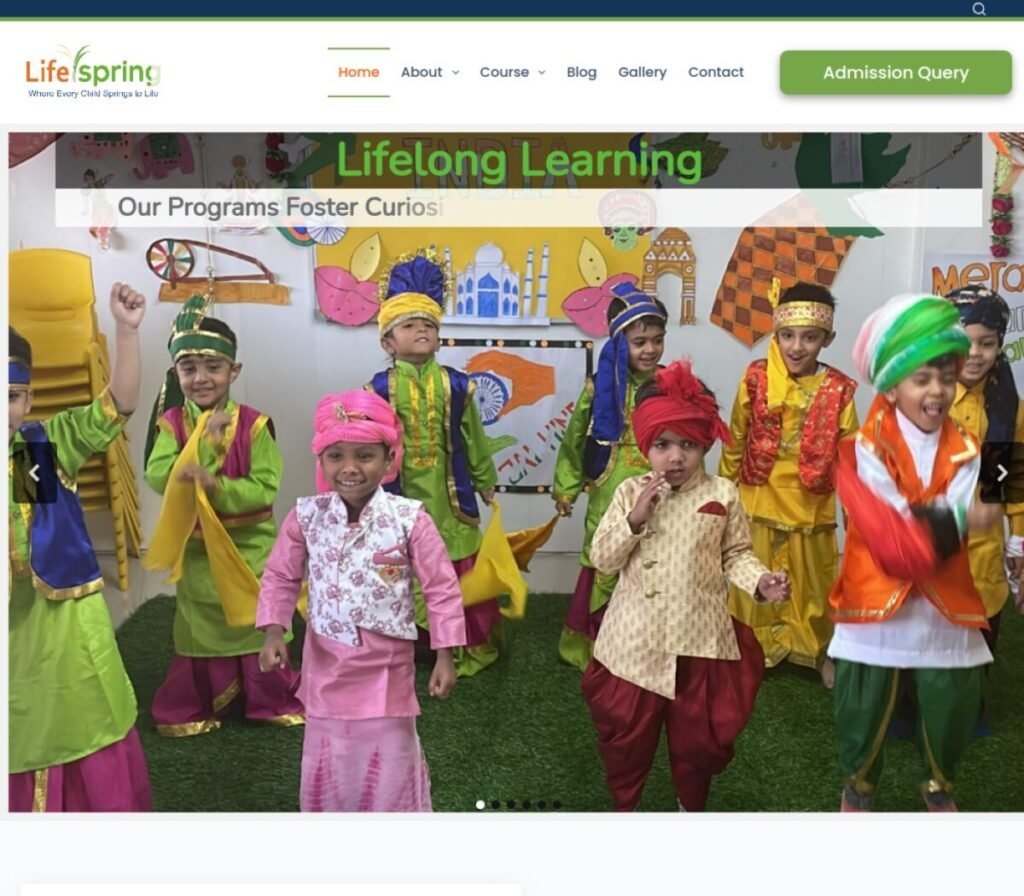
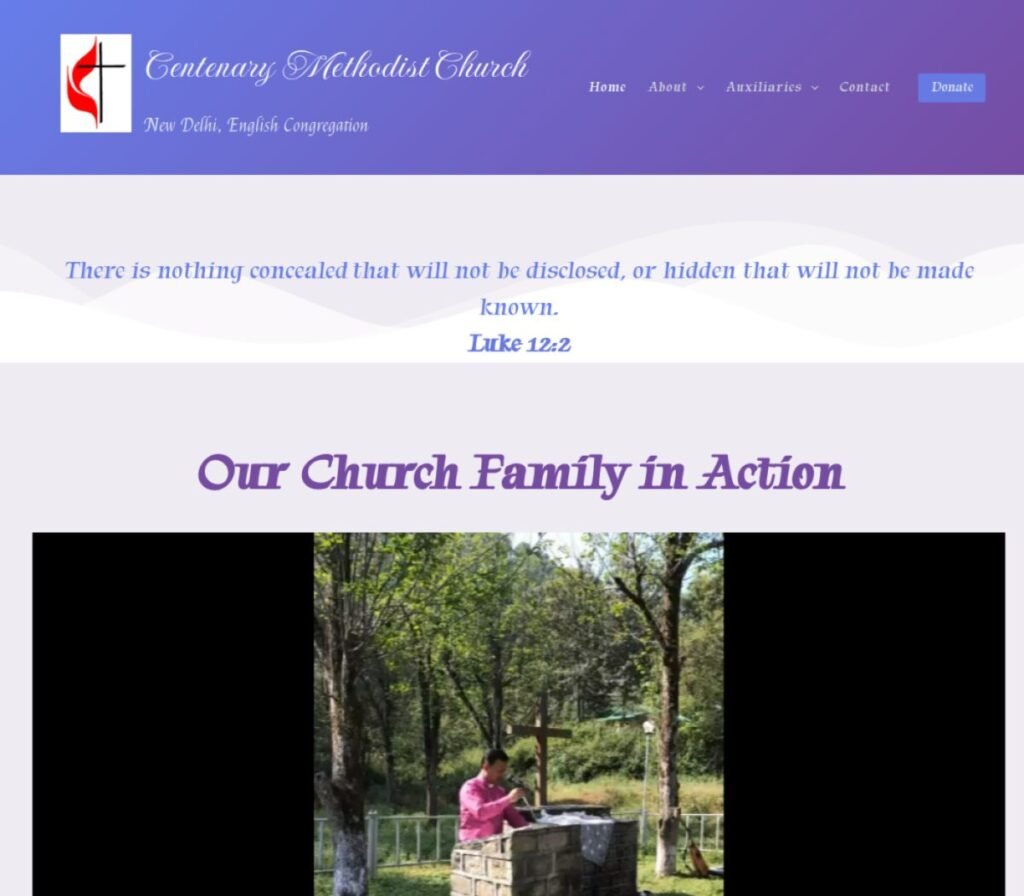
A Clutch-verified nonprofit build for a client in Toronto, a church site in New Delhi, and a 5.0 rating from 14 Google reviews you can read yourself.

What people ask.
It is finding out the exact words people type into Google when they are looking for what you sell, and then checking which of those words a business your size could realistically rank for. Without it, a website gets built around the words you would use, which are often not the words your customers use.
You can get the volumes free. What a tool will not tell you is which keywords are realistic for a business your size, or which page should use each one. That judgement is the work.
As many as you have pages, plus the questions customers actually ask. How well they are matched to the right pages matters far more than how many there are.
Getting found needs this research, then the work of writing the pages properly, then time. This is the part that decides whether the rest of the effort is pointed at anything worth reaching.
Yes. Every Monarch build includes keyword research. This page is for buying it on its own.
What this feeds into.
Want to know what they actually search?
Book a free 30-minute consultation. I take on only three new projects a month, so every one gets proper attention.
Free 30 minutes. No sales pitch. No obligation.