
Competitor research.
Research we do before your website is written. We find out which businesses your customers are really choosing between, what those businesses promise and charge, and where they fall short, so your website can give people a clear reason to choose you.
Rated 5.0 from 14 Google reviews. Read them.
How competitor research benefits your business.
You can answer the cheaper quote
We find out what your competitors really charge and what they leave out of that price. So when a customer mentions a cheaper quote, you have an honest answer ready instead of dropping your own price.
You know who you are really compared with
We find the businesses your customers genuinely look at alongside you. They are often not the ones you would expect, and not the ones you know socially.
You get a clear reason to be chosen
We look for the gap between what competitors promise and what their own customers say about them. That gap is the one thing your website can claim that they cannot.
You are being compared, whether or not you know to whom.
Nobody buys in isolation. Your customer opens three or four tabs, and yours is one of them. What the other tabs say determines whether yours is convincing.
Most businesses guess at this. They name the competitors they know socially, or the biggest names in the industry, rather than the businesses their customers actually shortlist. Those are usually different lists.
Competitor research replaces the guess with the actual shortlist, and finds the argument you can make that the others cannot.
What the research covers.
- Who you are really compared to, meaning the businesses your customers actually shortlist
- What they promise and what they charge, where that is published
- Where they fall short, from the gap between what they claim and what reviewers report
- Your opening, the position you can hold credibly and they cannot
- What not to compete on, which is usually more useful than what to compete on
Who it is for. Businesses in a crowded market who need a reason to be chosen.

Here is what happens.
Free 30-minute consultation
Who you think you are competing with, and why.
Find the real shortlist
The businesses that actually appear alongside you in search and in conversation.
Read what they promise
Their offers, their pricing where visible, and the language they use.
Find the gap
Where their claims and their reviews disagree, which is where the opening is.
Written summary
The position you can hold, and the ones you should not try to.
Why this decides your pricing argument.
If a competitor advertises the same thing for a fraction of the price, you need an answer before the customer asks. Not a defensive one, an honest one about what is different and what the cheap version leaves out.
That answer cannot be invented. It has to come from knowing what they actually offer, which is what this research establishes. Without it, price objections get handled by discounting.
It is one stage of the Pre-Foundation Assessment, and you can stop after it and use the findings however you like.
- A list of the biggest names in the industry
- Guesses about what competitors charge
- Claims copied from competitors because they sound good
- No answer ready when a customer names a cheaper quote
- The businesses your customers actually shortlist
- Published offers and pricing, where it can be verified
- A position you can hold honestly and they cannot
- A written answer to the price objection, before it is asked
Real clients. Real names.
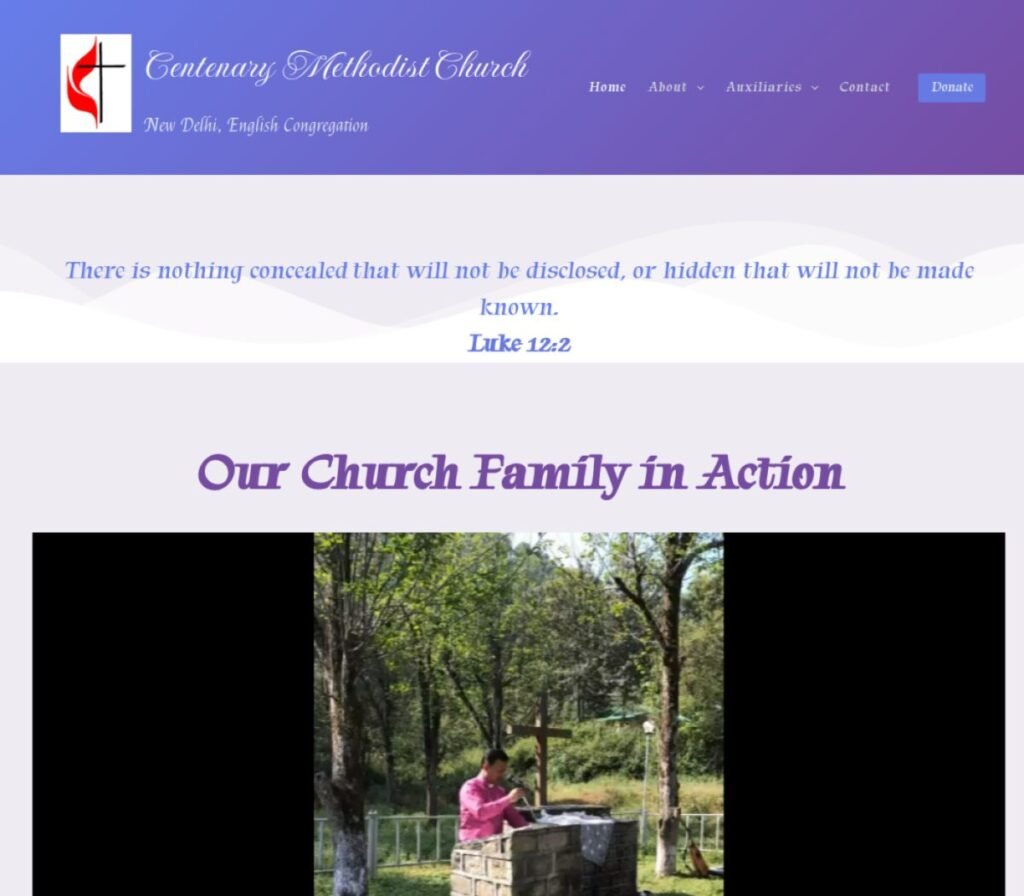
A Clutch-verified nonprofit build for a client in Toronto, a church site in New Delhi, and a 5.0 rating from 14 Google reviews you can read yourself.

What people ask.
It is finding out which businesses your customers are genuinely comparing you against, what those businesses promise and charge, and where they fall short. It tells you what your website has to say in order to be the one that gets chosen.
That is part of what this establishes. The list you would guess at and the list your customers actually see are usually different.
No. This uses what is publicly published: their websites, their listings, their reviews. Nothing underhand and nothing you could not look up yourself with enough hours.
Almost never. Competing on price against businesses with lower costs is a fight worth avoiding. The point is to find the argument that makes price the wrong comparison.
Yes, in the Professional and Premium packages. This page is for buying it on its own.
The rest of the assessment.
Want to know what you are up against?
Book a free 30-minute consultation. I take on only three new projects a month, so every one gets proper attention.
Free 30 minutes. No sales pitch. No obligation.