
Content writing.
Articles and pages written around the questions your customers actually ask. We find those questions, answer them plainly, and put the answers where search engines can find them.
Rated 5.0 from 14 Google reviews. Read them.
How content writing benefits your business.
People find you who have never heard of you
We write about the things customers search for, so you turn up for more than just your own business name.
It answers questions before you are asked
We answer the things customers ring up to ask, which saves your time and builds trust before they call.
It keeps working for years
We write pages that stay useful, rather than posts that are out of date in a month.
Most business blogs are written for nobody.
They exist because somebody said the site needed content. So a post appears about industry trends, nobody reads it, and after four months the blog stops.
Content works when it answers a question somebody is actually typing into a search box, in the words they used to ask it. That is a research problem before it is a writing problem, and it is the part that gets skipped.
The bar has also moved. With most searches now ending without a click, content has to be structured so an answer engine can quote it, or it is invisible even when it is good.
What the writing includes.
- Built on real questions, with topics chosen from what people actually search
- Written in your voice, in plain language, with no filler and no jargon
- Search-ready structure, with headings and answers laid out properly
- Answer-first paragraphs, so AI engines can quote you directly
- Published and linked, added to your site and connected to related pages
- One keyword per piece, so your own articles never compete with each other
Who it is for. Businesses who want to be found for more than just their business name.

Here is what happens.
Free 30-minute consultation
What you sell and what customers keep asking you.
Find the questions
Real searches, taken from keyword research rather than guessed.
Agree the topics
A list you approve before anything is written.
Write
Plain language, answer first, in a voice that sounds like you.
Publish and link
Added to the site, connected to the pages it should support.
Why cheap content is worth less than nothing.
Content at a rupee a word is either spun, copied, or generated and unedited. It reads as filler because it is filler, and publishing a lot of it now actively signals to Google that the site is low quality.
That makes it worse than writing nothing at all. You pay, and the site ends up weaker than before.
Good content is slow because the research is slow. Four pieces that answer real questions will outperform forty that answer none, and they keep working for years.
- Topics guessed, or taken from a competitor blog
- Generated text published without anyone editing it
- Several articles competing for the same term
- Word counts padded to hit a number
- Topics taken from what people actually search for
- Written and edited by the person who built your site
- One keyword per piece, mapped so nothing competes
- Answer-first structure that AI engines can quote
Real clients. Real names.
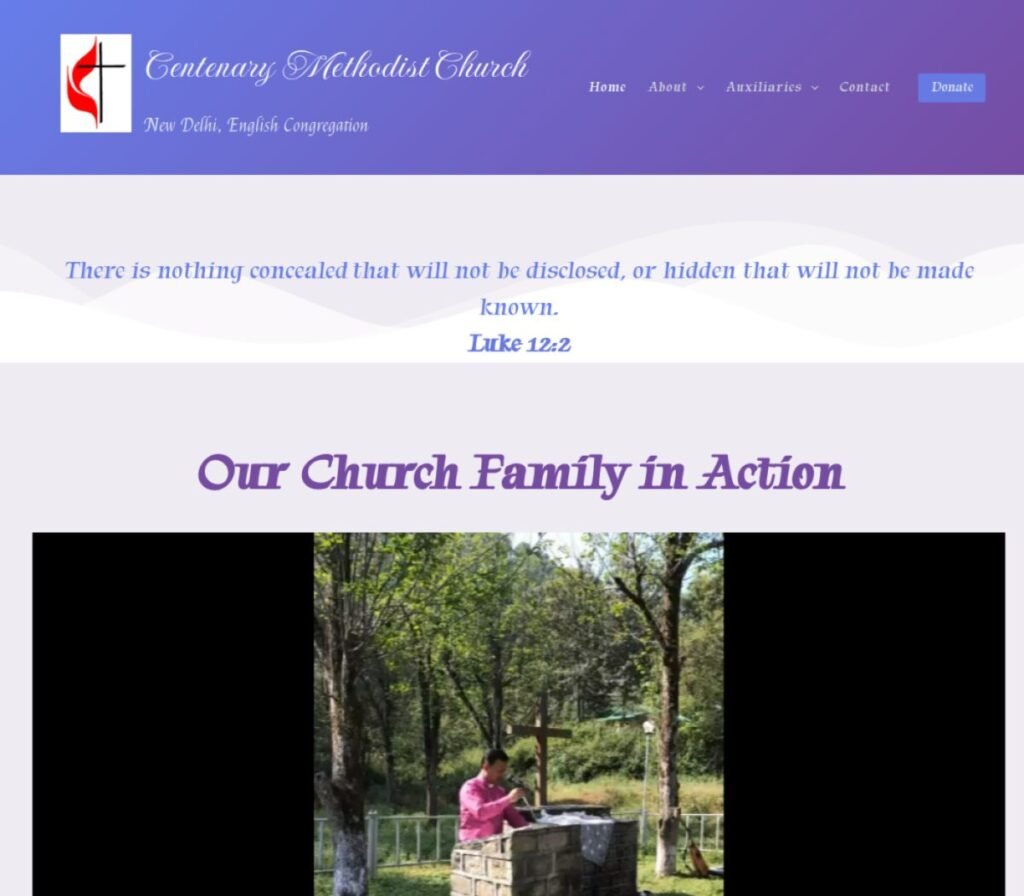
A Clutch-verified nonprofit build for a client in Toronto, a church site in New Delhi, and a 5.0 rating from 14 Google reviews you can read yourself.


What people ask.
Research and drafting tools are part of how most writing happens now. What matters is that a person who understands your business decides what to say and edits every line. Unedited generated text is exactly the cheap content this page is warning you about.
Fewer than you think. Four good pieces beat forty weak ones, and you can start with one and see.
No. Content compounds slowly. Anyone promising otherwise is selling something.
Yes. It is published on your site, which you own and control.
What goes with this.
Want to answer what they ask?
Book a free 30-minute consultation. I keep the number of ongoing clients small, because this kind of work is only worth paying for if somebody is actually paying attention to it.
Free 30 minutes. No sales pitch. No obligation.