
Business discovery.
The first conversation, before any design work starts. We work out what your business really sells, who really buys it, and what the website has to achieve, then write it down so the whole project has something to aim at.
Rated 5.0 from 14 Google reviews. Read them.
How business discovery benefits your business.
The project gets a clear goal
We agree one measurable result the website is meant to produce, before anything is built. Most website projects start with a page count instead, which is why so many of them finish and then do nothing.
Later disagreements have an answer
When a question comes up about wording, layout, or which service should lead, we settle it against what was agreed here rather than by whoever sounds most certain.
You keep the thinking
We write all of it down and it belongs to you. Any developer can work from it afterwards, not only us.
Most website projects start with a page list.
Someone asks how many pages you want, you guess at six, and the project begins. Nobody has established what the business actually sells, who pays for it, or what the website is supposed to change.
That is how you end up with a site that describes the business accurately and still produces nothing. Accuracy was never the problem. Nobody agreed what the thing was for.
Business discovery is one conversation, held before anything is designed, that turns the project from a page count into a defined outcome.
What business discovery covers.
- What you actually sell, meaning the services that earn the money rather than the full list
- Who buys and why, based on the people already paying you and what convinced them
- Where enquiries come from today, so we know what the website has to add
- What success looks like, as a specific measurable outcome agreed before work starts
- Which of your services should lead, and which should not be on the site at all
Who it is for. Any business about to invest in a website and wanting it built on facts rather than guesswork.

Here is what happens.
Free 30-minute consultation
A first conversation about the business. No sales pitch, no obligation.
The discovery session
A structured conversation about what you sell, who buys, and what is working now.
Written back to you
A short document you can check, correct and disagree with.
Agreed outcome
One measurable target the website is being built to hit.
Why a conversation is worth paying for.
It looks like talking. What you are buying is the decision about what the website is for, made deliberately instead of by accident halfway through the build.
Every disagreement later in a project comes back to this. Should this page exist, should this service lead, is this copy right. When discovery has been done, those arguments have an answer. When it has not, they are settled by whoever is most confident in the room.
It is the first stage of the Pre-Foundation Assessment, and it is small on purpose. You can stop after it.
- A page count agreed before anyone asked what the site is for
- Assumptions about the customer, never written down or checked
- No agreed definition of what success would even look like
- Arguments later settled by taste rather than evidence
- A written record of what the business actually sells
- Your customers described from people who already pay you
- One measurable outcome, agreed before work starts
- A document you can correct, because it is checked with you
Real clients. Real names.
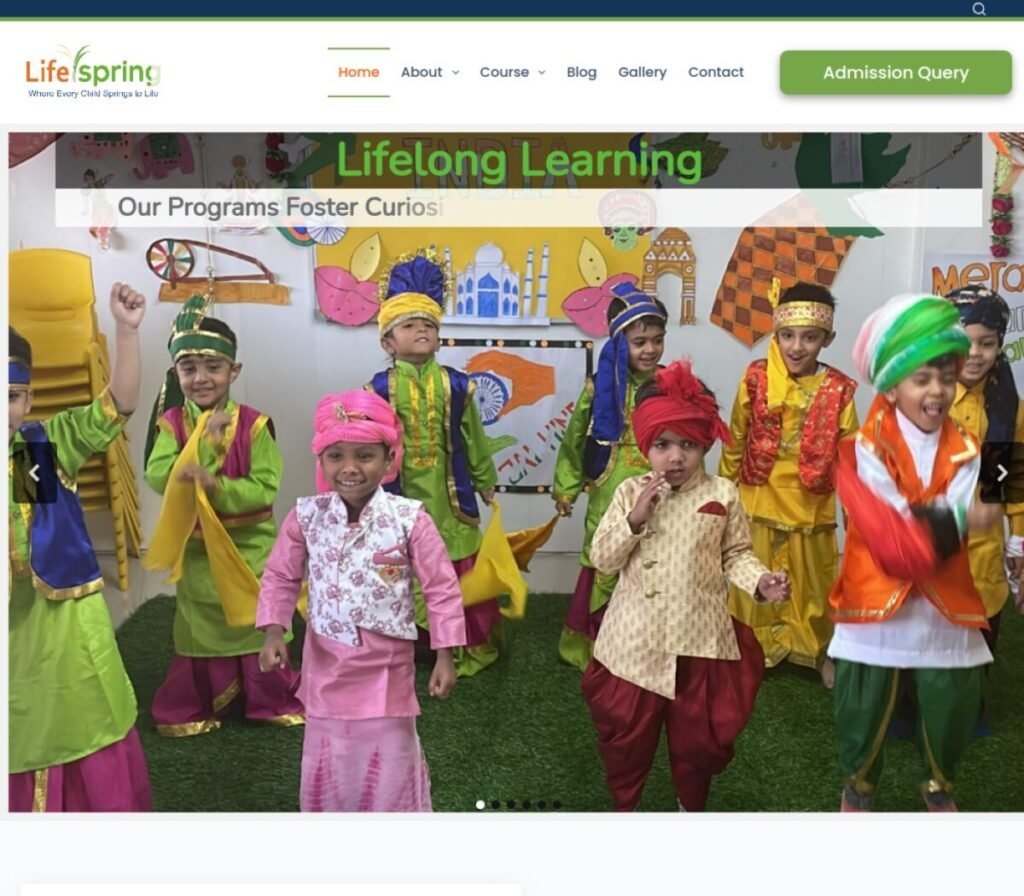
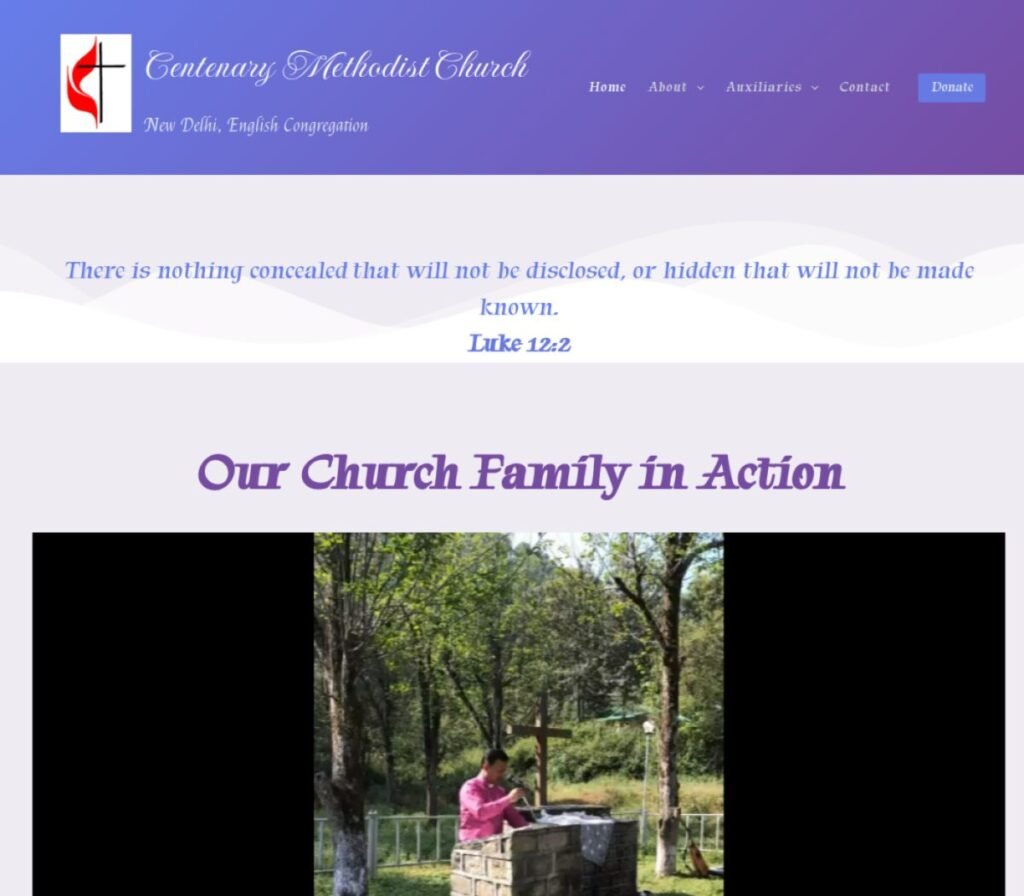
A Clutch-verified nonprofit build for a client in Toronto, a church site in New Delhi, and a 5.0 rating from 14 Google reviews you can read yourself.

What people ask.
It is one structured conversation, held before any design work begins, that establishes what your business actually sells, who actually buys it, and what the website is meant to achieve. The output is written down and it is yours to keep.
A normal first meeting is a sales call. This is structured work with a written output you keep, whether or not you go on to build anything with me.
A session and a short written summary. It happens at the start of the project rather than adding time to the end.
Then it is quick, and it gets your knowledge into writing where a designer can actually use it. Most owners know their business far better than they can hand over.
No. It is one stage of the Pre-Foundation Assessment. Stop after it and the document is still yours.
The rest of the assessment.
Want to start with facts?
Book a free 30-minute consultation. I take on only three new projects a month, so every one gets proper attention.
Free 30 minutes. No sales pitch. No obligation.