
Target customer research.
Research we do before your website is designed. We work out who actually buys from you, what worries them and the words they use, so your website talks to real customers instead of to a guess.
Rated 5.0 from 14 Google reviews. Read them.
How target customer research benefits your business.
Your website talks to the right people
We find out who actually pays you and what convinced them, so the website is written for those people rather than for everybody in general.
You stop losing people at the same point
We find out what makes buyers hesitate, and we answer it on the page before they have to ask.
Design stops being a matter of opinion
We base the wording, the pictures and the order of the page on what customers told us, so there is a real answer when anyone asks why it looks the way it does.
Most websites are built on a guess.
Someone assumes who the customer is, assumes what matters to them, and designs around that assumption. The site looks fine and nobody comes.
Target customer research replaces the guess. We work out who actually buys from you, what they are worried about, what makes them choose one business over another, and the exact words they use when they search.
It matters for four reasons. Design decisions stop being opinions, so every argument about the site has an answer. The words on the page match the words people search, which is what makes SEO work rather than merely exist. It decides what the site does not say, because a page that speaks to everyone converts nobody. And it is the reason a site brings enquiries instead of just existing.
What you receive.
- A written profile of your primary customer, who they are and what they want
- What stops them buying, in their words rather than yours
- The exact language they use, ready to be used in your copy
- A keyword list matched to real search demand, with difficulty noted honestly
- A competitor summary, and specifically where the gap is
- A one-page summary of what the website must do as a result

What actually gets researched.
Business discovery
What the business actually sells, to whom, and what genuinely makes it different from the alternatives.
Target customer research
Who buys, what they fear, what triggers the decision, and the words they use when they describe the problem.
Keyword research
What those customers actually type into Google, and which of those terms are winnable for a business your size.
Competitor research
Who else they are considering, and where those competitors are weak enough to be beaten.
Each pass is also sold on its own: Business Discovery, Keyword Research and Competitor Research.
This is the work a cheap website skips.
A template site is built in a few days by someone who has never asked who your customers are. It looks fine. Nobody finds it, and the people who do find it are not the people who buy. That is the actual difference between a website that costs three thousand rupees and one that works.
Target customer research is included free with the Professional and Premium packages, worth ₹8,000. On its own it is the first stage of the Pre-Foundation Assessment.
You can stop after it. Take the research elsewhere, build the site yourself, or do nothing with it. You are not committed to anything beyond the stage you have paid for.
- Assumptions about who the customer is
- Design decisions settled by taste and argument
- Keywords chosen without knowing who is searching
- A site that speaks to everyone and converts nobody
- A written profile of who actually buys from you
- Design decisions answerable to research, not opinion
- Keywords matched to real customers and real demand
- A clear decision about what the site will not say
Real clients. Real names.
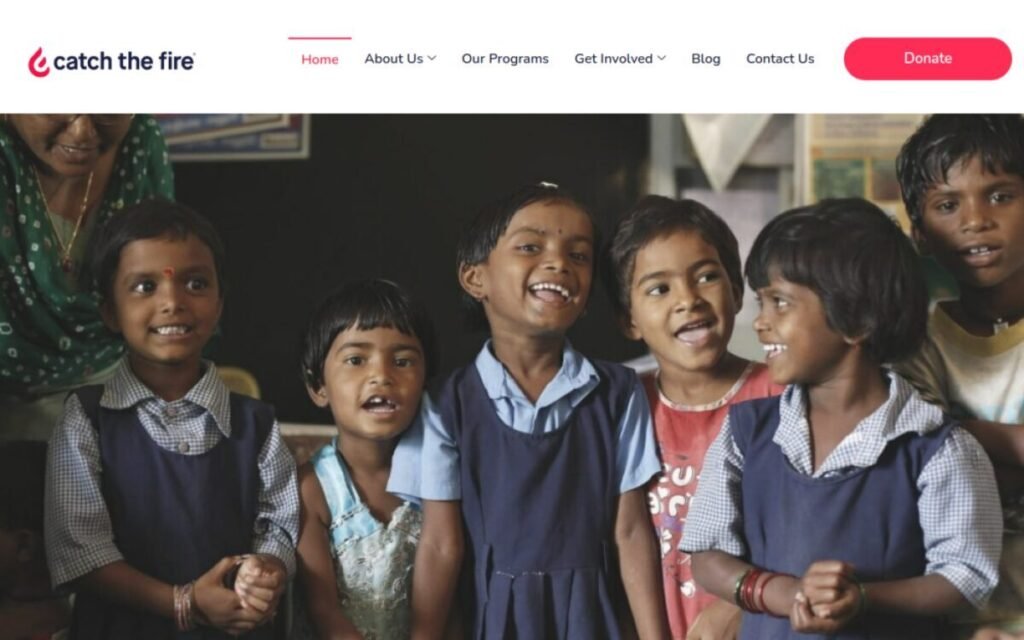
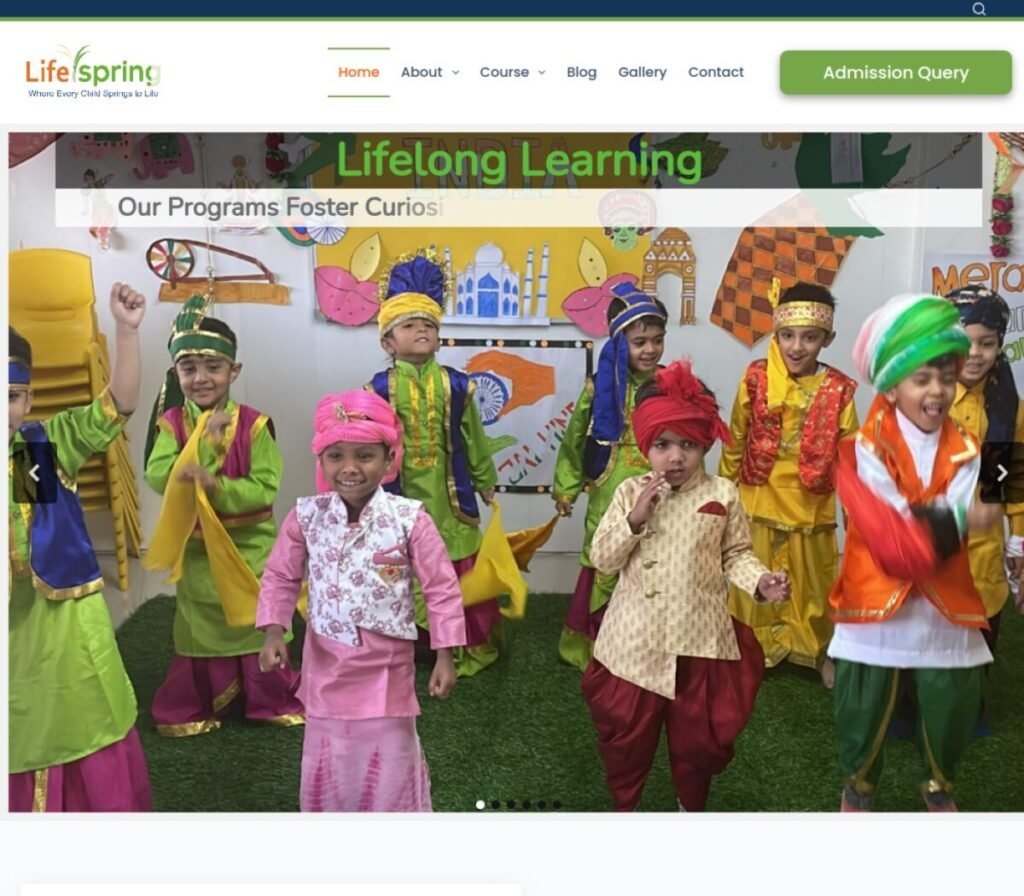
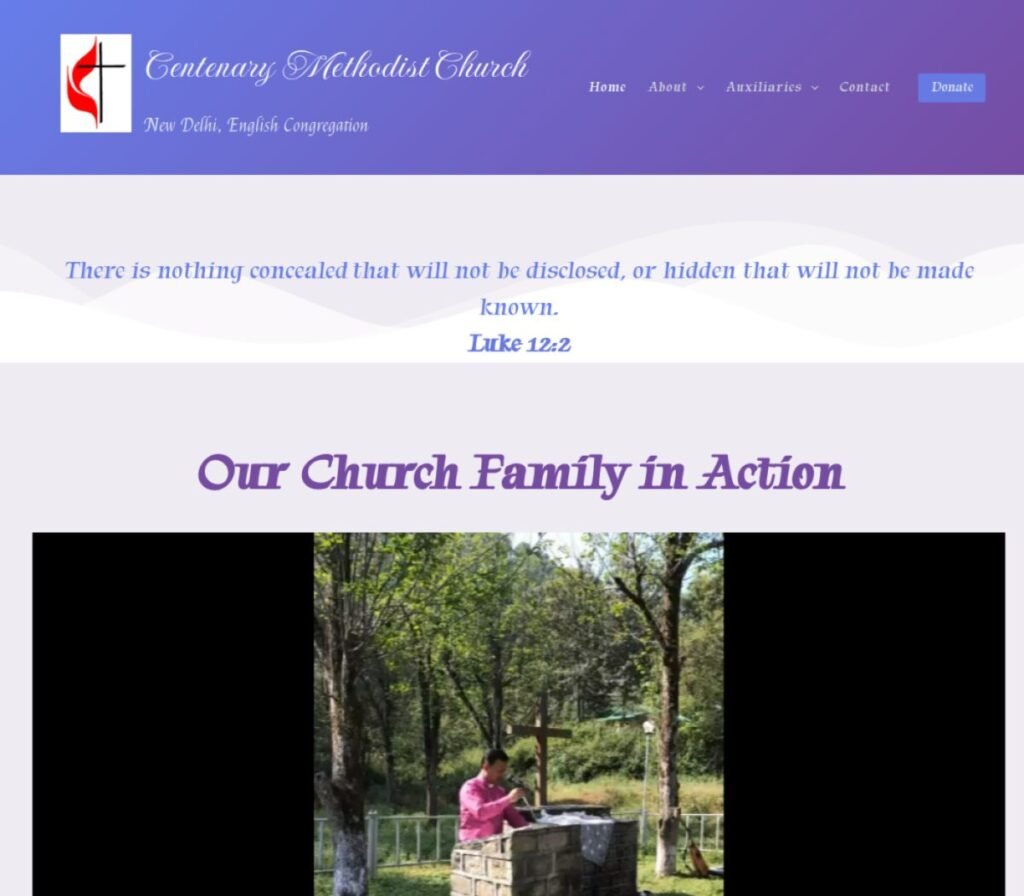
A Clutch-verified nonprofit build for a client in Toronto, a church site in New Delhi, and a 5.0 rating from 14 Google reviews you can read yourself.
What people ask.
It is finding out who actually buys from you, what they are worried about, what makes them pick one business over another, and the exact words they use. Most websites are built on a guess about all of this. We replace the guess with something written down.
You can. It is how most cheap sites are made, and it is why most of them do nothing. If you want to skip it, say so at the consultation and I will tell you honestly what the risk is.
It happens inside the project timeline, before design begins. It does not add weeks to the end.
Then this confirms it quickly and moves on. Most owners know their customers better than they can put into words, and the words are exactly what the website needs.
No. It is one stage. Stop after it if you want, and the research is still yours.
What usually goes with this.
Want to stop guessing?
Book a free 30-minute consultation. I take on only three new projects a month, so every one gets proper attention.
Free 30 minutes. No sales pitch. No obligation.